
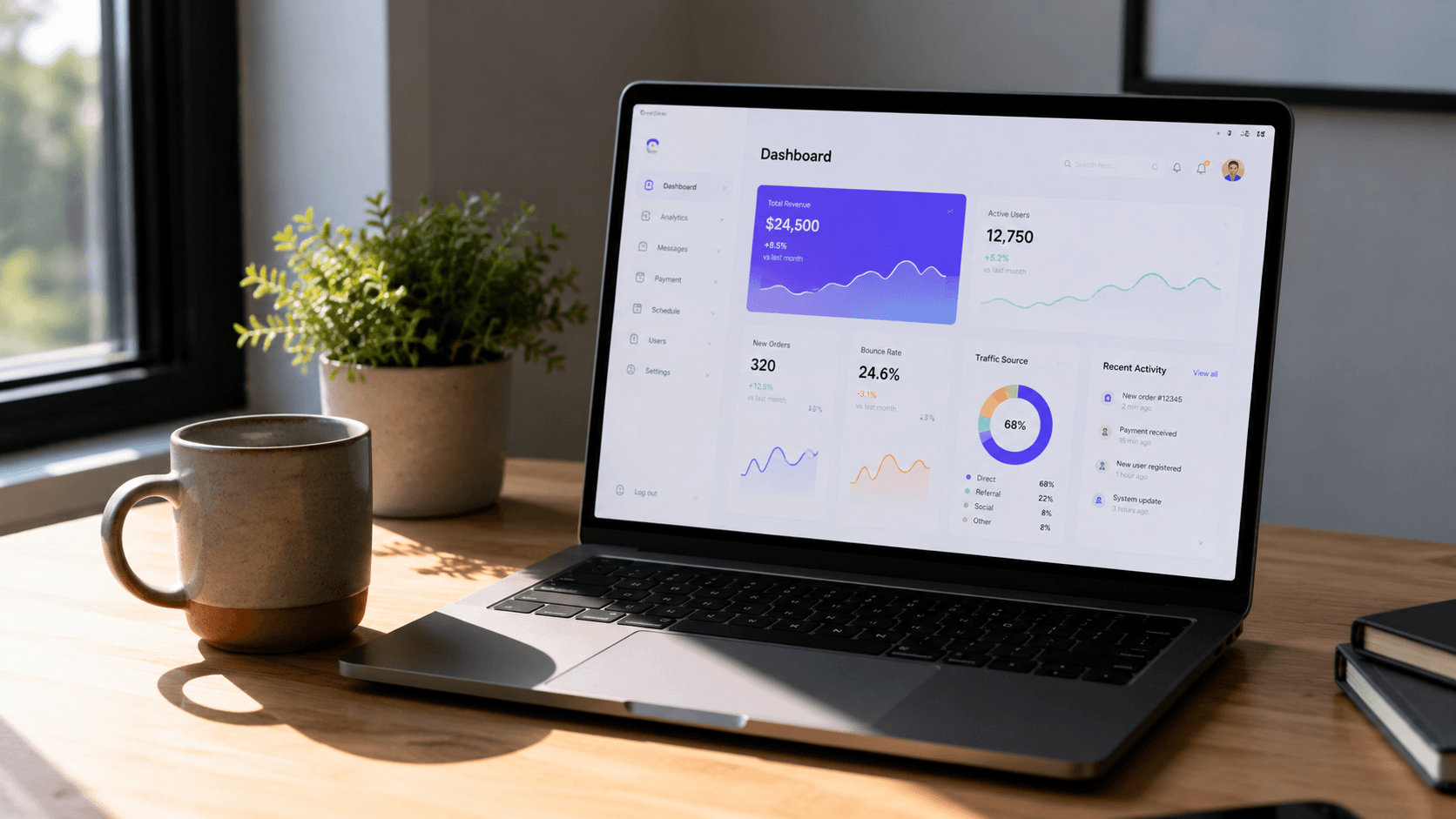
Finding the right AI image generator in 2026 isn’t about picking a single winner and handing it a robot crown.
The honest truth is that the “best” tool completely depends on what you are trying to build. A platform that creates breathtaking, movie-grade fantasy artwork might fail miserably when you try to use it for consistent AI influencer profiles.
Through my own testing, I found that ranking these tools with a single universal score is highly misleading. It’s like using the same checklist to compare a sports car, a pickup truck, and a professional film camera. Instead, you need to choose your tool based on your exact use case.
Disclosure: Some tools mentioned below offer paid plans, credits, or commercial features. Pricing and features change fast, so always check the official site before buying. This guide is for editorial purposes only and does not constitute business or legal advice. If you click an affiliate link, I may earn a commission at no extra cost to you.
Quick Comparison: Best AI Tools by Use Case
| Use Case | Best-Fit Tools | Core Advantage | Watch Out For |
| Consistent AI Characters | Foxy AI, RenderNet | Excellent face continuity across different prompts | Higher learning curve, realism limits |
| Stylized & Editorial Art | Midjourney, Leonardo AI | Dramatic lighting, rich visual textures, mood | Harder to lock down exact face consistency |
| AI Video Generation | Runway, Kling, Higgsfield | Cinematic camera motion and temporal control | Credit usage can burn through your budget fast |
| Digital Avatar Videos | HeyGen | Perfect for talking-head presentations and FAQs | Not meant for general static image art |
| Technical Control | Stable Diffusion, FLUX | Full control over custom checkpoints and LoRAs | Requires local setup and high GPU power |
| Complete Beginners | DALL·E via ChatGPT | Conversational prompting, very easy to use | Less advanced control over generation parameters |
Best AI Tools for Character Consistency
If you are building a personal brand, a virtual influencer, or a recurring marketing campaign, face consistency matters more than raw artistic flair. You need the exact same identity to appear across multiple scenes.
Foxy AI
Foxy AI is a fantastic option if you need to produce standardized social media content at a high frequency. During my testing, it excelled at generating realistic lifestyle portraits and creator-focused visuals without requiring complex prompt engineering.
- Best for: E-commerce sellers and social media marketers who need fast, repeatable character photos.
- Limitations: It is not built for fine artists who want to tweak deep visual parameters.
RenderNet
RenderNet is my go-to recommendation for advanced character continuity. It features a mature identity-lock system where you can name a character, train a face blueprint, and reuse it across entirely different environments and outfits.
- Best for: Fictional brand spokespersons, virtual influencers, and visual storytellers.
- Limitations: The interface has many configuration toggles, making the workflow slightly slower.
Glam AI (and Portrait-Focused Tools)
Tools like Glam AI focus heavily on polished portrait photography. If your business relies on high-end beauty shots, fashion close-ups, professional headshots, or clean studio lighting, these niche tools easily outperform general art generators.
- Best for: Fashion, headshots, and lifestyle visuals.
- Limitations: The scope is extremely narrow. They cannot generate fantasy worlds, complex product mockups, or abstract artwork.
Stable Diffusion (For Advanced Characters)
Stable Diffusion remains the powerhouse for technical creators. By combining custom checkpoints, local LoRA training, and ControlNet workflows, you get complete mastery over your character’s poses and facial structure.
- Best for: Advanced users who want total privacy, zero per-image cost, and custom models.
- Limitations: The setup threshold is steep. It feels like building a custom workstation in your garage—powerful but complex.
Best AI Generators for Stylized and Commercial Art
When you need mood boards, website hero graphics, conceptual editorial art, or standout commercial assets, visual style and atmospheric lighting become your top priorities.
Midjourney
Midjourney remains the gold standard for pure visual drama and cinematic composition. With its latest v6 architecture, a single descriptive prompt yields professional-grade lighting, rich textures, and premium brand aesthetics out of the box. It offers four main subscription tiers: Basic, Standard, Pro, and Mega.
- Best for: Concept art, posters, website hero banners, and high-end creative exploration.
- Limitations: It struggles to maintain 100% exact face consistency across long content series without complex prompt work.
Leonardo AI
Leonardo AI offers a brilliant middle ground between a friendly web interface and deep creative control. It supports an impressive roster of distinct image models, including Lucid Origin, Lucid Realism, Phoenix, and the newer FLUX Dev and FLUX Schnell pipelines.
- Best for: Graphic designers, indie hackers, and concept artists who want an organized web-based dashboard.
- Limitations: Complete beginners might feel slightly overwhelmed by the multi-model options at first.
DALL·E (via ChatGPT)
DALL·E 3 is the most approachable tool for everyday content creators. Because it is embedded directly into ChatGPT, you can generate and refine visuals using casual, conversational English rather than learning technical prompt tags.
- Best for: Blog illustrations, quick social graphics, and brainstorming visual concepts through conversation.
- Limitations: It lacks the advanced professional rendering tweaks found in Midjourney or Stable Diffusion.
Best AI Video Tools for Solopreneurs
AI video is an entirely different landscape. When evaluating these tools, you need to judge them based on camera control, motion accuracy, temporal consistency, and credit burn rates.
Runway
Runway is a highly established platform built for professional video creation workflows. It targets independent filmmakers and creative agencies who need to generate high-fidelity advertising clips, cinematic short films, or high-end motion tests. It features 5 pricing tiers: Free, Standard, Pro, Unlimited, and Enterprise.
- Best for: Cinematic short clips, high-production commercial concepts, and advanced video editing.
- Limitations: The workflow is too heavy and expensive for casual creators who only want simple, quick social media clips.
Higgsfield
Higgsfield is a lightweight tool engineered for rapid video production. Its pricing directly ties credit consumption to your chosen model parameters, output resolution, and clip length. It is highly optimized for creating short, high-energy clips that perform well on algorithmic social feeds.
- Best for: Dynamic short-form videos, automated social ads, and casual vlog assets.
- Limitations: The credit consumption runs fast during generation, and it is not suited for complex, long-form film projects.
Kling
Developed by Kuaishou, Kling has rapidly become a major global competitor against industry giants like Google and ByteDance. Serving markets across the U.S., Europe, and Japan, it handles general-purpose video generation and realistic physics exceptionally well.
- Best for: Creators who want to experiment with cutting-edge, fluid video motion models.
- Limitations: The AI video landscape changes weekly; ensure you verify their latest credit pricing before locking into a long-term plan.
HeyGen
HeyGen sits in a distinct market segment: AI digital human avatars. It doesn’t compete with artistic tools like Midjourney. Instead, you give it a written script, and it generates a hyper-realistic digital spokesperson to deliver your message.
- Best for: SaaS product explainers, customer onboarding tutorials, automated course modules, and multilingual business videos.
- Limitations: It is completely useless for generating static creative artwork or abstract background textures.
The Next-Gen Open-Source Wave: FLUX Workflows
If you want to stay ahead of the curve, keep an eye on the FLUX model family (including FLUX Dev and FLUX Schnell). It has quickly integrated into mainstream platforms like Leonardo AI and various local generation APIs. Much like Stable Diffusion, the open-source nature of FLUX allows technical creators to build highly customized generation pipelines, making it an excellent long-term asset for tech-savvy solopreneurs.
Common Mistakes to Avoid When Choosing Tools
- Judging Solely on Image Beauty: A tool can create stunning visuals but still fail your workflow if it lacks commercial usage rights, batch processing, or predictable credit structures.
- Ignoring the Real Cost of Credits: High-resolution upscaling, variations, and video rendering burn through credits fast. Always look at the cost-per-generation, rollover rules, and team seats before upgrading to a paid plan.
- Forcing One Tool to Do Everything: Stop searching for an all-in-one platform. The smart strategy is to build a custom tool stack—using DALL·E for quick drafts, Midjourney for hero assets, RenderNet for characters, and Runway for motion.
FAQ
What is the best AI image generator for beginners?
DALL·E (via ChatGPT) and Leonardo AI are the best entry-level choices. They don’t require technical local installation and offer highly intuitive web interfaces.
Can I legally use AI-generated images for commercial business?
Yes, but it depends strictly on your tool’s terms of service and your active subscription tier. Always review the official commercial license of the tool before using assets in paid ads, client projects, or merchandise.
Is Stable Diffusion still relevant with the rise of newer web tools?
Absolutely. Stable Diffusion remains highly valuable for advanced creators because it offers complete ownership, deep structural control via ControlNet, and zero running costs once configured on your local hardware.
I am is an AI Author & Practitioner specializing in AI workflow automation, prompt engineering, and digital productivity. I help solopreneurs and content creators streamline their operations using practical, real-world AI strategies
2 thoughts on “Best AI Image Generators in 2026: Why There Is No Single “Best” Tool”